




Fresh-Cut Produce for Foodservice: Benefits for Commercial Kitchens
Fresh-cut produce can help commercial kitchens save preparation time, reduce labour requirements and create more consistent food production. Instead of receiving whole fruits and vegetables that require washing, peeling, trimming or cutting, foodservice operators can receive produce that is prepared closer to the way it will actually be used.
For restaurants, universities, institutions, hospitals, hotels and catering companies, this can make daily kitchen operations easier to manage. Fresh-cut produce can also help reduce waste, improve portion consistency and simplify preparation during busy service periods.
This article explains what fresh-cut produce is, how it supports commercial kitchens and what foodservice businesses should consider when choosing a fresh-cut produce supplier.
What Is Fresh-Cut Produce?
Fresh-cut produce includes fruits and vegetables that have been prepared before delivery while still remaining fresh.
Depending on the product and the needs of the customer, preparation may include washing, peeling, trimming, slicing, dicing, chopping or shredding. Common examples include sliced onions, diced peppers, chopped lettuce, peeled carrots, prepared fruit and other ready-to-use produce.
For a commercial kitchen, fresh-cut products reduce the amount of work that must be completed before an ingredient can be cooked, plated or served.
This makes fresh-cut produce different from fully prepared or cooked food. The product still needs to be used as part of the kitchen's normal food preparation process, but many of the repetitive preparation steps have already been completed.
Save Preparation Time in the Kitchen
Fresh-cut produce can reduce the time kitchen staff spend on repetitive preparation tasks.
Commercial kitchens often process large quantities of vegetables every day. Washing lettuce, peeling carrots, chopping onions and slicing peppers can take significant time when staff are preparing hundreds of meals.
Using ready-to-use produce allows the kitchen team to move more quickly from ingredient preparation to cooking and service.
This can be especially valuable during high-volume periods or when kitchen teams are working under tight deadlines.
For example, a restaurant preparing for lunch service may need several containers of sliced vegetables before opening. A university or institutional kitchen may need much larger quantities prepared for hundreds or thousands of meals.
Fresh-cut products can help reduce the number of preparation steps required before service begins.
Reduce Labour Requirements
Fresh-cut produce can help foodservice businesses use kitchen labour more efficiently.
Labour is one of the most important operating costs in a commercial kitchen. When employees spend large amounts of time peeling, chopping and trimming produce, those hours are not available for cooking, plating, quality control or customer service.
Prepared produce can reduce the amount of basic knife work required from kitchen staff.
This does not mean fresh-cut products replace skilled kitchen employees. Instead, they allow staff to focus more of their time on tasks that require culinary knowledge and attention.
This can be particularly useful for businesses facing staffing shortages or operating with smaller kitchen teams.
By reducing repetitive preparation work, foodservice operators can make better use of the staff they already have.
Improve Portion and Preparation Consistency
Fresh-cut produce can create more consistent ingredient sizes across different batches.
When vegetables are cut manually by different employees, the size and shape of the pieces may vary. One employee may dice onions very finely while another creates larger pieces.
In some dishes, that difference can affect cooking time, texture and presentation.
Prepared produce can help create a more standardized result. Consistent slices, dices or cuts can make it easier for kitchen teams to follow recipes and maintain similar results across different shifts or locations.
This can be important for restaurant groups, catering operations and institutions that prepare the same menu items repeatedly.
Consistency can also make inventory planning easier because portion sizes become more predictable.
Reduce Preparation Waste
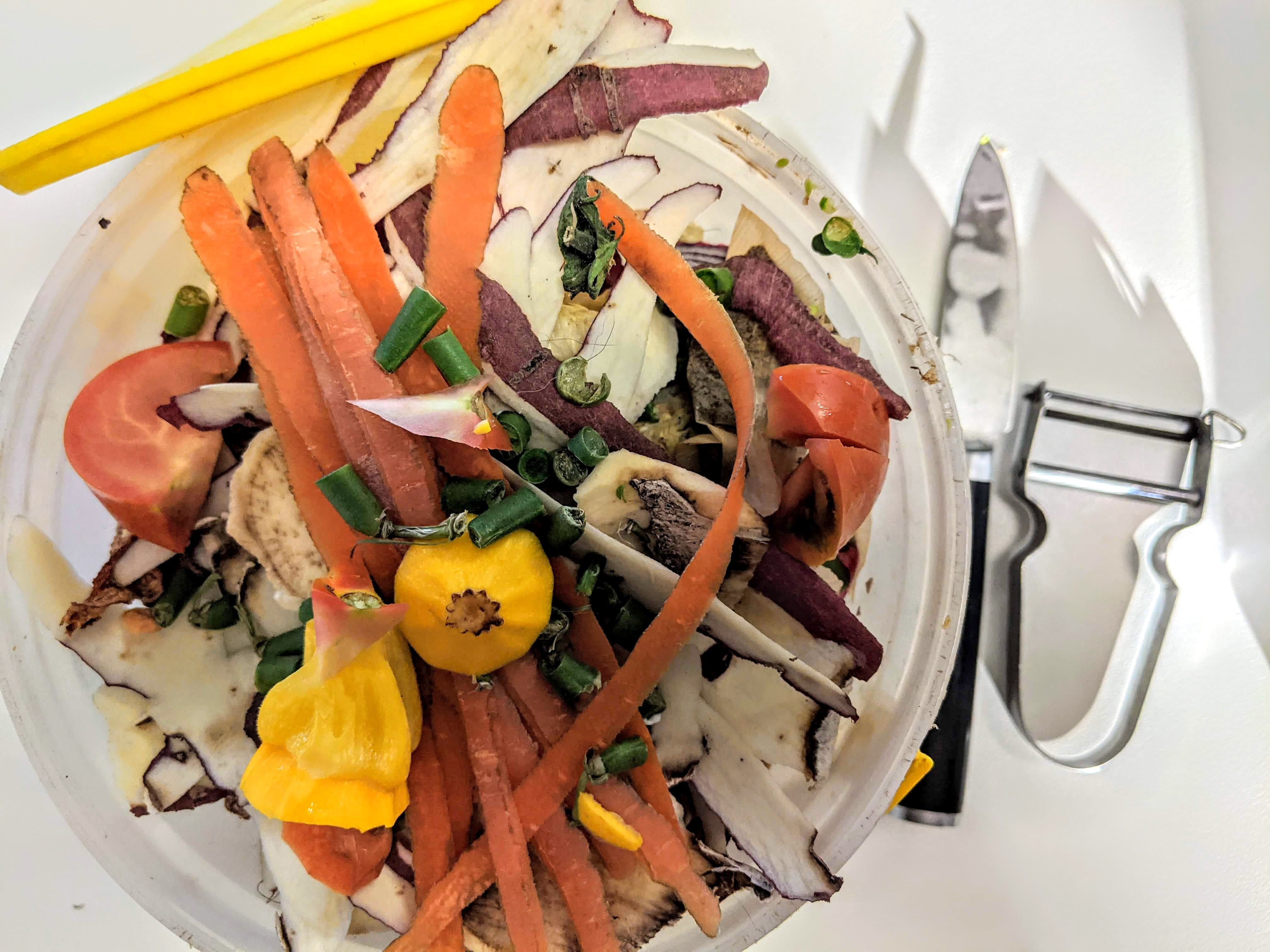
Fresh-cut produce can help reduce the amount of trimming waste created inside the kitchen.
Whole vegetables often include parts that need to be removed before cooking. Peels, stems, cores, leaves and damaged sections can create a significant amount of waste, especially in high-volume operations.
When a kitchen buys a whole case of vegetables, the actual usable quantity may be lower than the case weight after trimming.
Fresh-cut products can give foodservice operators a clearer understanding of how much usable product they are purchasing.
This can make food costing more accurate and reduce the amount of organic waste that needs to be handled inside the kitchen.
However, operators should compare the cost of whole produce with the usable yield they actually receive after preparation. A product with a higher purchase price may still offer good value if it significantly reduces waste and labour.
Simplify High-Volume Food Production
Fresh-cut produce can make large-scale food preparation easier to organize.
Commercial kitchens often work around production schedules. Ingredients must be ready at the right time so that cooking and service can continue without unnecessary delays.
This becomes more challenging when the kitchen handles large quantities of fresh vegetables.
Prepared produce can arrive closer to its final usable form, which allows staff to move directly into cooking, mixing, portioning or plating.
This is especially useful for:
- Universities
- Hospitals and healthcare facilities
- Long-term care facilities
- Hotels
- Catering companies
- Corporate cafeterias
- High-volume restaurants
These operations may prepare hundreds or thousands of meals on a regular basis. Reducing even a small amount of preparation time per serving can create meaningful operational savings.
Support Better Workflow During Busy Service Periods
Fresh-cut produce can help reduce pressure on kitchen teams during peak periods.
A busy kitchen has limited preparation space, refrigeration space and staff capacity. When several employees need to wash and cut vegetables at the same time, preparation areas can become crowded.
Ready-to-use produce can simplify workflow by reducing the number of tasks that must happen before service.
For example, instead of assigning an employee to prepare several cases of vegetables, the kitchen may be able to open prepared product and move directly to the next production step.
This can help kitchens keep work areas organized and reduce bottlenecks during preparation.
For operations with limited kitchen space, this benefit can be just as important as labour savings.
Maintain Flexibility for Different Menu Needs
Fresh-cut produce can support different menu requirements when suppliers offer multiple preparation options.
Not every kitchen needs the same cut size or product format. A restaurant may need thinly sliced onions for sandwiches, while a catering company may need diced onions for prepared dishes.
A foodservice supplier that offers fresh-cut and value-added products can help customers select formats that match their operational needs.
Common preparation options may include:
- Sliced
- Diced
- Chopped
- Peeled
- Shredded
- Trimmed
- Portion-ready
Choosing the right specification is important because it affects how the ingredient performs in the final dish.
Foodservice businesses should therefore work with suppliers that understand how products will be used rather than simply choosing the most convenient format.
Consider Product Quality and Cold-Chain Distribution
Fresh-cut produce requires careful handling because cutting exposes more of the product surface.
For this reason, temperature control and distribution reliability are especially important.
A dependable fresh-cut produce supplier should have systems in place to support appropriate handling, storage and refrigerated transportation.
Foodservice operators should also manage fresh-cut products properly after delivery. Products should be stored according to applicable food safety requirements and used within appropriate timeframes.
Reliable refrigerated distribution helps protect product integrity between the supplier and the commercial kitchen.
When comparing suppliers, businesses should consider not only the range of prepared products available but also how those products are processed, stored and delivered.
Compare Total Value, Not Just Purchase Price
Fresh-cut produce may cost more per kilogram than whole produce, but the purchase price alone does not show the full cost to the kitchen.
Foodservice operators should also consider:
- Labour required for preparation
- Usable yield
- Waste disposal
- Preparation time
- Portion consistency
- Storage requirements
- Production efficiency
For example, a whole vegetable may have a lower purchase price, but the kitchen may lose part of the product during peeling and trimming. Staff also need to spend time preparing it.
A fresh-cut product may arrive with a higher unit cost but require significantly less labour and generate less preparation waste.
The better option depends on the operation, menu and volume.
Commercial kitchens should therefore compare the total cost of using each format rather than looking only at the initial price.
Choose a Fresh-Cut Produce Partner That Understands Foodservice
The right supplier should understand how fresh-cut produce fits into real commercial kitchen operations.
Foodservice customers need consistent products, dependable delivery and responsive communication. They may also need assistance selecting the right product format or adjusting orders when menu requirements change.
Green City & Green Liner Produce supports foodservice businesses and institutions across Southwestern Ontario and the Greater Toronto Area with fresh produce, specialty products, local sourcing, fresh-cut and processed produce, and refrigerated distribution.
Our focus is on helping customers simplify purchasing and preparation while maintaining dependable product quality and service.
If your operation is looking for fresh-cut produce for commercial kitchens, contact Green City & Green Liner Produce to discuss your product specifications, volumes and distribution requirements.