





Why Ontario-Grown Produce Matters for Foodservice Businesses
Ontario-grown produce can help foodservice businesses improve freshness, support local agriculture and build a more flexible seasonal purchasing program. For restaurants, institutions, hotels, universities, caterers and other commercial kitchens, sourcing locally grown fruits and vegetables can provide practical benefits beyond simply promoting a local message.
When local produce is in season, businesses may gain access to products that travel shorter distances, reflect regional growing conditions and connect their menus more closely with the communities they serve. At the same time, local sourcing works best when it is part of a broader procurement strategy that also considers availability, quality, price and year-round supply.
This article explains why Ontario-grown produce matters for foodservice businesses and how local sourcing can fit into a reliable produce program.
What Is Ontario-Grown Produce?
Ontario-grown produce refers to fruits, vegetables and other agricultural products grown within the province of Ontario.
Depending on the season, this can include products such as:
- Tomatoes
- Lettuce
- Carrots
- Peppers
- Cucumbers
- Apples
- Berries
- Potatoes
- Onions
- Corn
- Herbs
- Squash
Ontario has a diverse agricultural sector, but not every product is available locally throughout the entire year. Some crops have relatively short growing seasons, while others can be stored or produced under controlled conditions for longer periods.
For foodservice businesses, Ontario-grown produce is therefore best viewed as one part of a complete sourcing strategy rather than the only source of fresh ingredients.

Access Fresher Seasonal Products
Ontario-grown produce can give foodservice businesses access to fresh products during local growing seasons.
When produce is grown closer to the market where it is sold, it may spend less time in long-distance transportation before reaching the customer.
This can be especially valuable for highly perishable products such as leafy greens, berries, herbs and certain vegetables.
Freshness affects more than appearance. It can also influence texture, flavour and usable shelf life in a commercial kitchen.
Restaurants and institutions that use large volumes of fresh produce may benefit from incorporating more locally grown products when those items are at their seasonal best.
However, freshness still depends on proper harvesting, handling, storage and distribution. Local distance alone does not guarantee quality.
That is why businesses should work with suppliers that understand both sourcing and cold-chain distribution.

Support Ontario Growers and Local Agriculture
Buying Ontario-grown produce can help support farmers and agricultural businesses within the province.
For foodservice organizations, local sourcing can create stronger connections between commercial kitchens and the regional food system.
Purchasing local products can contribute to demand for Ontario agriculture and help keep more food purchasing activity within the regional economy.
This may be particularly important for institutions, universities, hospitals and other organizations that have local procurement goals.
Restaurants may also use Ontario-grown ingredients as part of their menu story, especially when seasonal products are clearly identified.
Supporting local agriculture does not need to mean changing an entire supply chain at once.
Even adding selected Ontario-grown products during peak seasons can create meaningful opportunities for both foodservice operators and local suppliers.
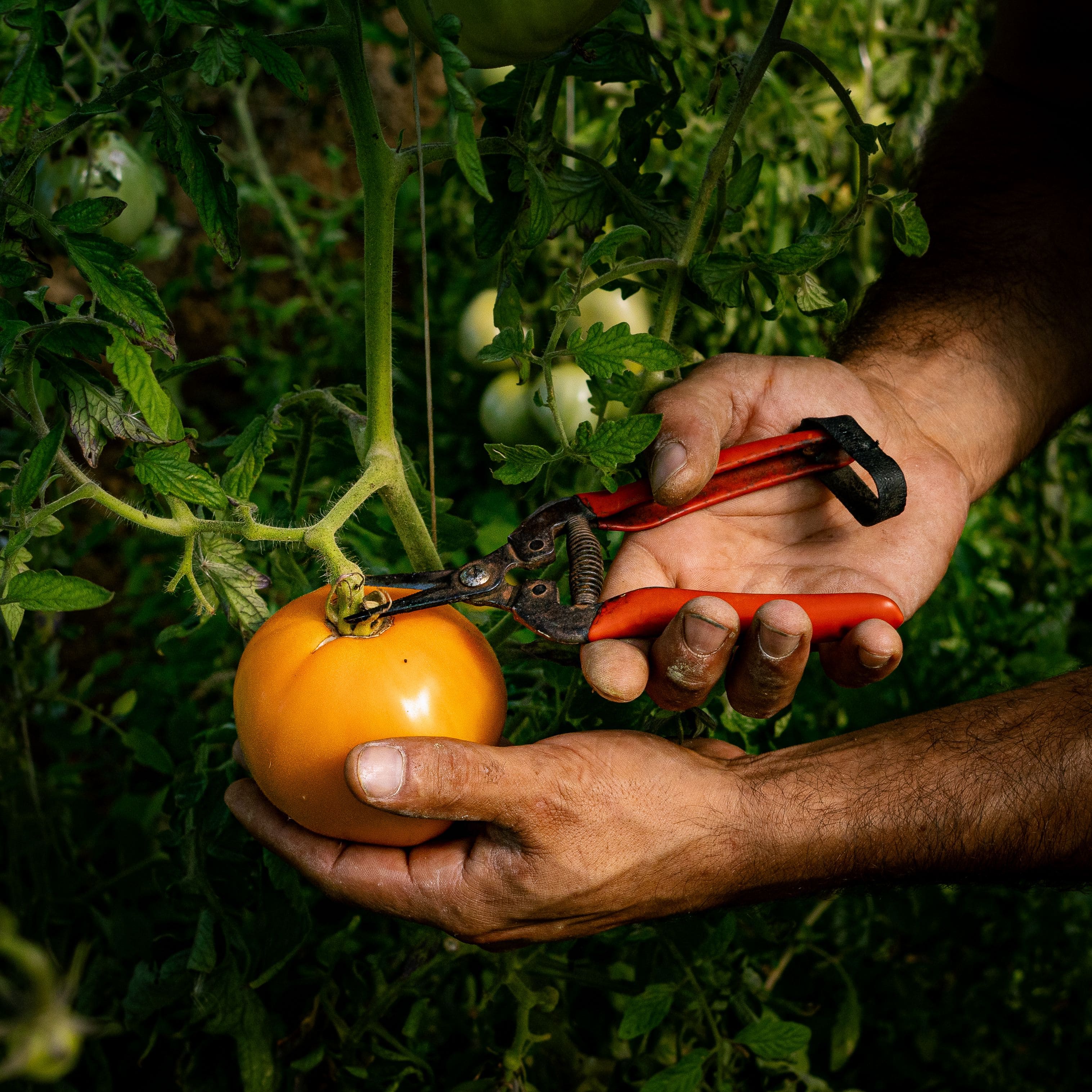
Add Seasonal Variety to Menus
Ontario-grown produce can help foodservice businesses create more seasonal menu variety.
Different fruits and vegetables become available at different times of the year. This gives chefs and foodservice teams an opportunity to build menu features around what is currently in season.
For example, a summer menu may include Ontario tomatoes, berries or cucumbers, while fall menus may feature apples, squash, carrots or root vegetables.
Seasonal purchasing can help businesses keep menus interesting while making better use of products that are naturally abundant at certain times.
This can be useful for:
- Restaurants with rotating menus
- Hotels with seasonal dining programs
- Catering companies
- Universities
- Corporate cafeterias
- Healthcare foodservice
- Institutional kitchens
A supplier with strong local sourcing relationships can help customers understand when specific Ontario products are available and when it may be necessary to transition to products from other growing regions.
Strengthen Menu and Brand Positioning
Ontario-grown ingredients can also support a foodservice business's brand positioning.
Many customers are interested in knowing where their food comes from. Restaurants and hospitality businesses can use local ingredients to communicate a stronger connection to regional agriculture.
For example, a menu may identify selected ingredients as Ontario-grown when appropriate.
This can support messages around seasonality, local sourcing and community connection.
However, local claims should always be accurate.
Foodservice businesses should avoid describing products as local unless their origin is confirmed. Working with a knowledgeable supplier can help operators identify which products are currently grown in Ontario and which items come from other regions.
Clear sourcing information helps businesses communicate more confidently with their own customers.
Build Stronger Relationships With Regional Suppliers
Local sourcing can help foodservice businesses build stronger connections with growers and produce distributors.
Produce markets can change quickly due to weather, crop conditions, transportation and seasonal availability.
Suppliers with established regional relationships may be better positioned to identify local alternatives when certain products are available.
Direct or well-developed relationships with growers can also improve communication about expected crop timing, volume and quality.
For commercial kitchens, this information can be useful when planning seasonal menus or large-volume purchases.
A strong produce supplier acts as a connection between growers and foodservice customers. The supplier can help translate changing market conditions into practical purchasing options for the kitchen.
Local Sourcing Can Reduce Supply Chain Distance
Ontario-grown produce may travel a shorter distance before reaching Ontario foodservice customers.
Shorter transportation routes can simplify parts of the supply chain, particularly when products move from regional growers to nearby distribution centres and customers.
This can help reduce some of the complexity associated with long-distance transportation.
However, distance is only one factor in a dependable produce program.
Foodservice businesses still need:
- Consistent quality
- Reliable delivery schedules
- Appropriate refrigeration
- Product availability
- Accurate order fulfilment
- Responsive customer service
For that reason, the most effective local sourcing program combines nearby production with a strong distribution network.
Local Does Not Mean Local Only
A reliable foodservice produce program should not depend entirely on local supply.
Ontario has defined growing seasons, and many products cannot be produced locally throughout the year.
Commercial kitchens still need consistent access to ingredients regardless of season.
For example, restaurants may need the same core vegetables every week even when those products are no longer being harvested locally.
A dependable wholesale produce supplier should therefore balance local and global sourcing.
Ontario-grown products can be prioritized when quality and availability are strong. When the local season ends, the supplier can source from other established growing regions.
This approach provides customers with the benefits of local produce without creating unnecessary gaps in supply.
Consider Availability, Quality and Price Together
Foodservice businesses should evaluate Ontario-grown produce using the same operational standards they apply to other products.
Local origin is valuable, but the product must still meet the needs of the kitchen.
When making purchasing decisions, operators should consider:
- Product quality
- Seasonal availability
- Price
- Required volume
- Usable yield
- Delivery frequency
- Product specification
- Menu requirements
A local item may be a strong choice when quality and supply are good. In other cases, another source may provide better consistency.
The goal should be to build a practical produce program rather than choosing products based only on geographic origin.
A knowledgeable supplier can help customers compare options and make sourcing decisions based on current market conditions.
Work With a Supplier That Understands Ontario Produce
The right produce supplier can help foodservice businesses make better use of Ontario-grown products throughout the year.
A supplier with local market knowledge can identify seasonal opportunities, communicate changes in availability and recommend alternatives when products move in or out of season.
Green City & Green Liner Produce has served foodservice businesses and institutions across Southwestern Ontario and the Greater Toronto Area since 1994.
Our sourcing approach combines strong relationships, local market knowledge and access to a broader supply network. We work to support Ontario growers when local products are available while maintaining the flexibility customers need for year-round produce supply.
With operations in London, Guelph and Hamilton, Green City & Green Liner Produce provides fresh fruits and vegetables, Ontario and local produce, specialty products, fresh-cut and processed produce, and refrigerated distribution.
If your organization is looking to incorporate more Ontario-grown produce into its foodservice program, contact Green City & Green Liner Produce to discuss seasonal availability, product requirements and distribution needs.